

The Best Islands to Visit in Southern Thailand
Southern Thailand concentrates some of Southeast Asia’s most diverse island experiences into a relatively compact geography. Andaman Sea islands deliver dramatic limestone cliffs and deep-blue water, while Gulf of Thailand islands lean toward gentler seas, palm-lined beaches, and year-round accessibility. Travellers move between nightlife hubs, wellness retreats, protected marine parks, and quiet fishing communities without crossing borders or changing cultures.
The islands below consistently rank as the strongest choices because each one solves a different travel need rather than competing for the same audience.

Phuket
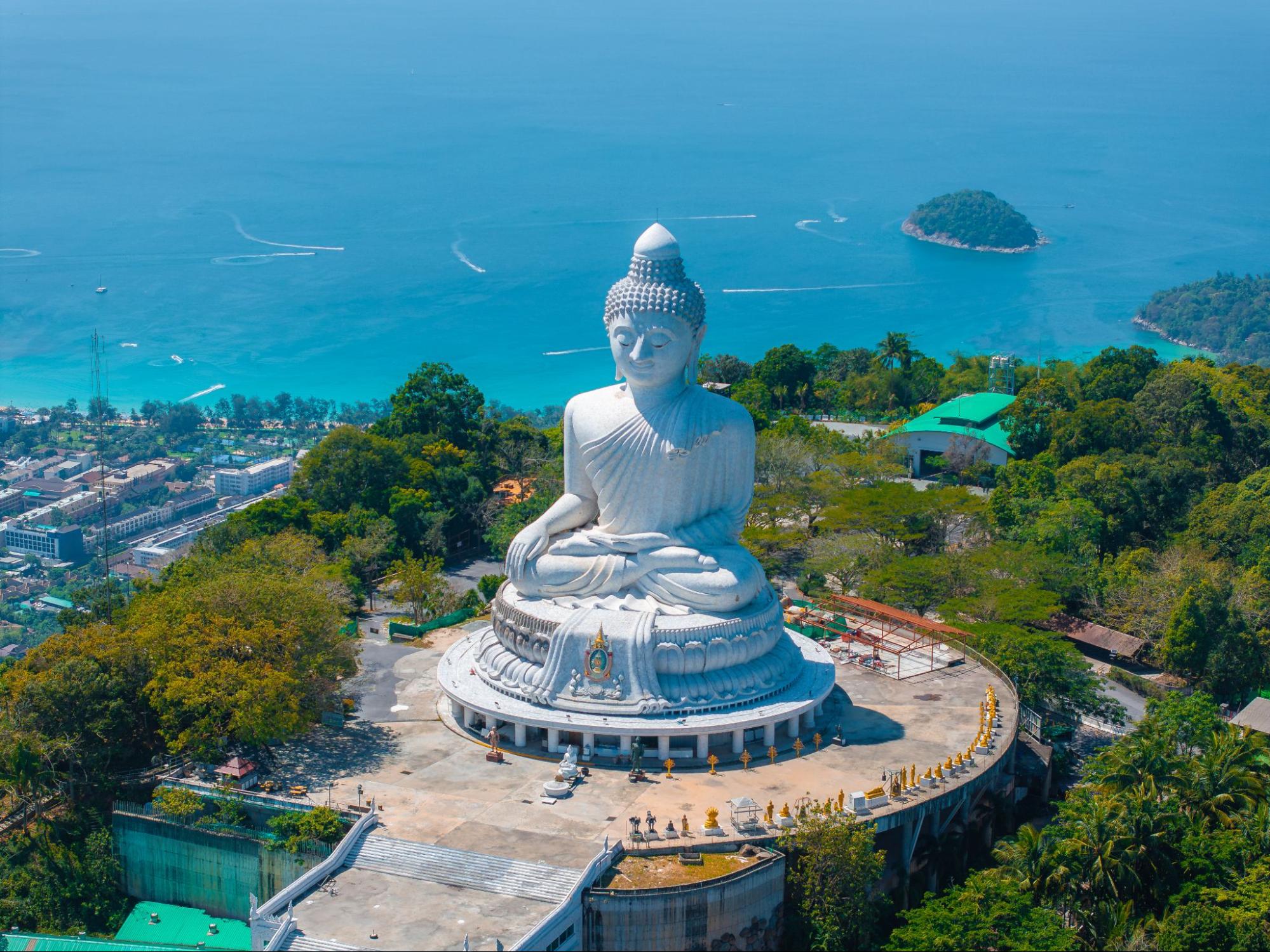
Phuket operates as both a destination and a distribution point for the Andaman region. As Thailand’s largest island, it combines international infrastructure with local neighbourhoods, beaches, and cultural sites that still function independently of resort life.
Patong Beach attracts travellers who want nightlife, organised entertainment, and easy access to tours, while Kata and Karon appeal to visitors who prefer calmer swimming conditions and a more residential pace. Old Phuket Town introduces Sino-Portuguese architecture, local markets, and museums that anchor the island beyond the beach economy.
From a logistics perspective, Phuket International Airport connects directly to Asia, the Middle East, and Europe, which makes it a practical entry point for first-time visitors planning island-hopping routes to Phi Phi, Koh Yao, or Krabi.
Koh Samui
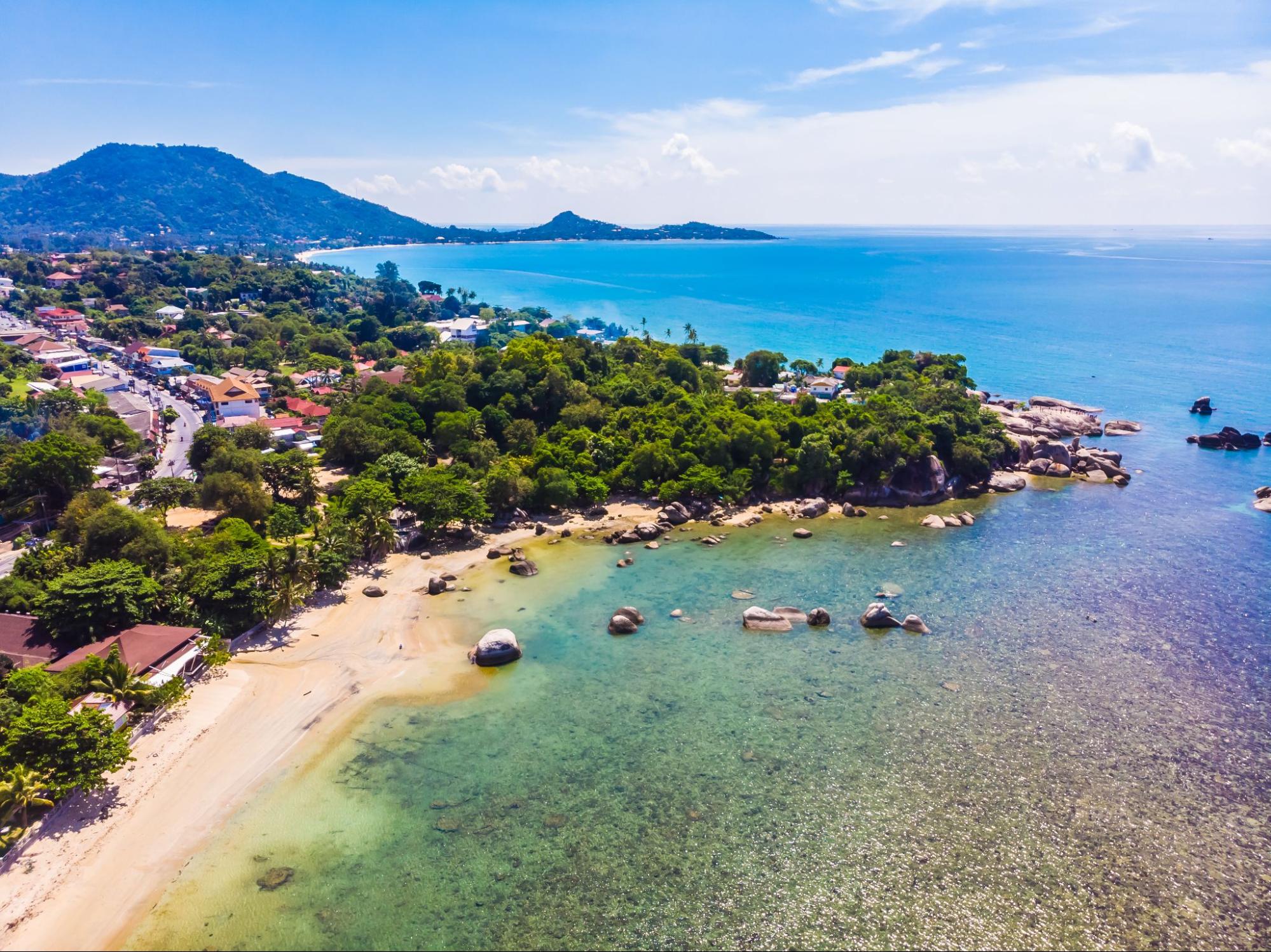
Koh Samui occupies a distinct role in Southern Thailand’s island network. Located in the Gulf of Thailand, it benefits from calmer seas during periods when Andaman crossings become unpredictable.
The island blends high-end resorts, established expat communities, and cultural landmarks such as Wat Phra Yai and Wat Plai Laem. Chaweng Beach concentrates nightlife, beach clubs, and shopping, while Lamai and Maenam shift toward slower rhythms and family-friendly environments.
Koh Samui’s private airport shortens travel time and removes the need for long ferry transfers, appealing to travellers who prioritise convenience. Wellness retreats, spa programmes, and yoga centres position the island as a destination for recovery as much as leisure.
Koh Phi Phi
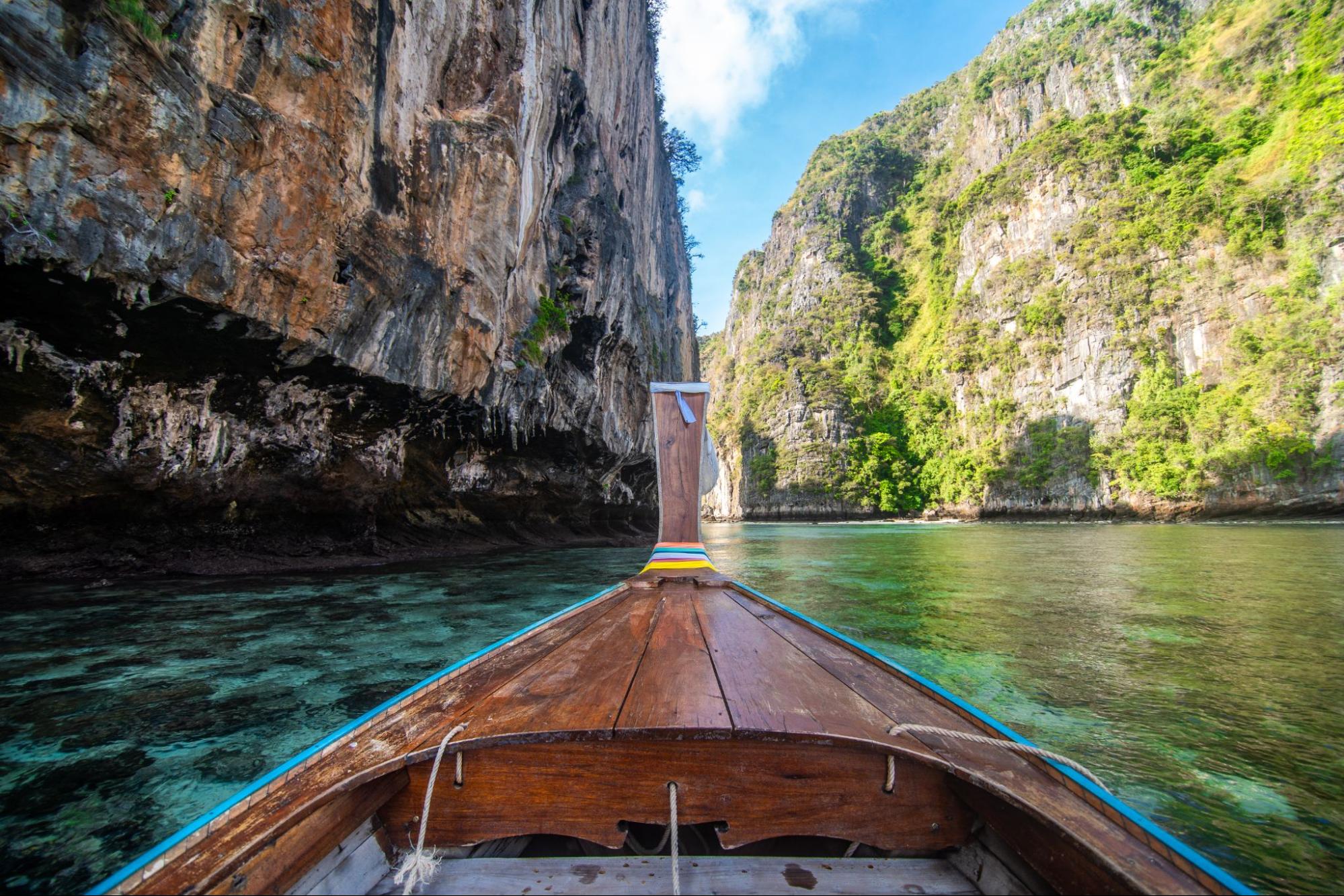
Koh Phi Phi represents the visual shorthand many people associate with Thailand’s islands. Steep limestone cliffs rise directly from turquoise water, forming enclosed bays that feel cinematic even without cultural references.
Maya Bay, part of a protected marine area, attracts day visitors for its clarity and scenery, while Tonsai Bay functions as the social core with dive shops, restaurants, and evening beach performances.
Snorkelling and diving conditions remain strong due to underwater formations that support coral growth and fish populations. The island’s compact size creates an energetic, communal atmosphere that suits short stays focused on scenery and social interaction.
Koh Lanta
Koh Lanta appeals to travellers seeking space and calm. Long beaches stretch without dense development, and local communities continue daily life alongside tourism rather than behind it.
The island supports families, digital nomads, and visitors who prioritise routine and quiet evenings. Mu Koh Lanta National Park anchors the southern coastline with hiking trails, viewpoints, and access to respected dive sites.
Compared to Phi Phi, nightlife remains minimal, while dining focuses on small restaurants and beachfront cafés. Ferry connections to Krabi, Phi Phi, and the Trang islands make Koh Lanta a strong base for slow exploration.
Koh Tao
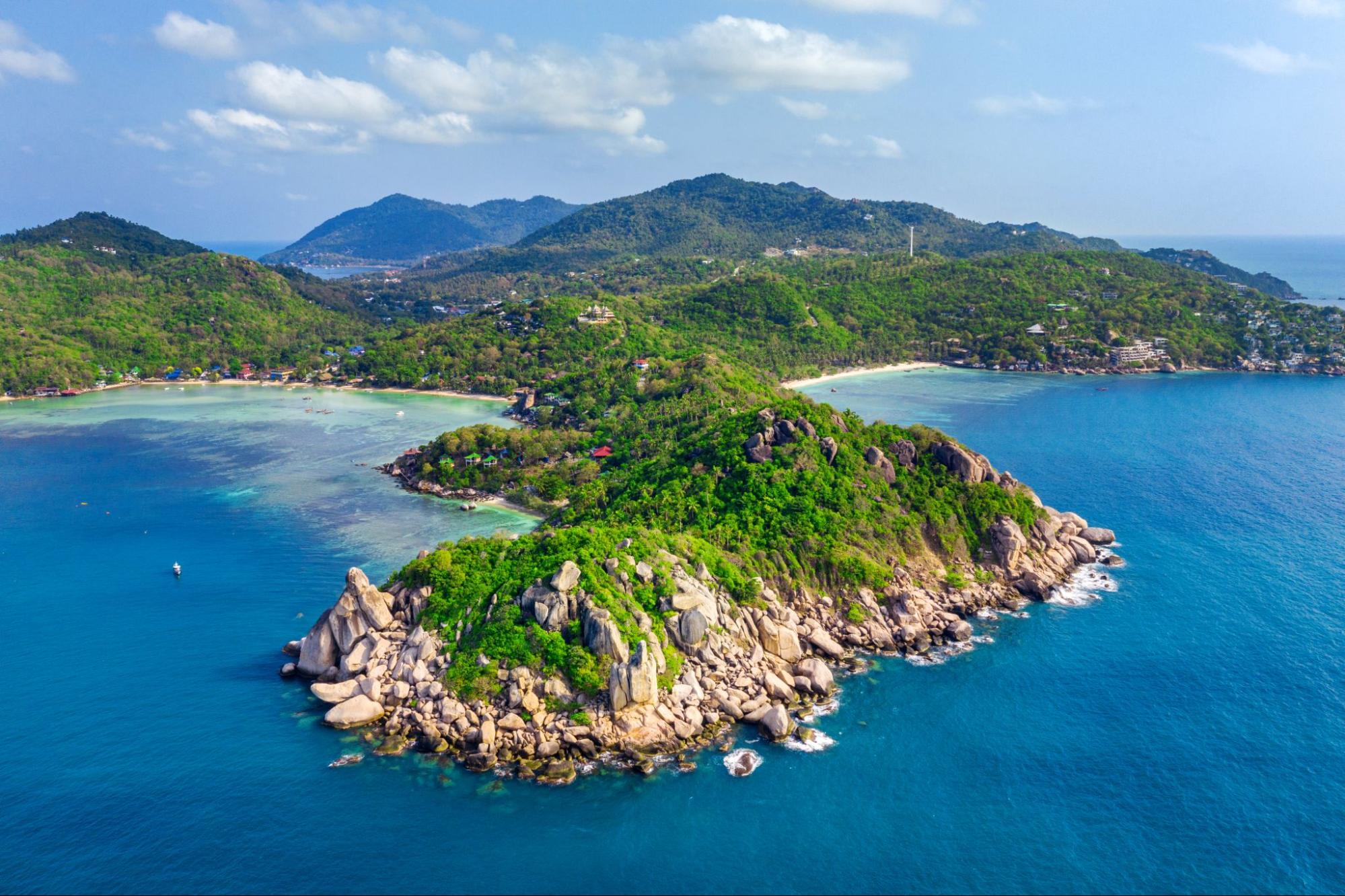
Koh Tao has built its reputation almost entirely around the water beneath it. The island supports one of the highest concentrations of dive schools in the world, driven by shallow bays, accessible reefs, and consistent visibility.
Beginners complete entry-level certifications alongside experienced divers exploring deeper sites. Snorkellers access coral gardens directly from shore at locations such as Shark Bay and Ao Leuk.
Sairee Beach acts as the social hub with relaxed nightlife and dining, while smaller bays support quieter stays. Koh Tao suits travellers whose itineraries revolve around learning, marine exploration, and time in the water.
Koh Nang Yuan (Day Trip from Koh Tao)
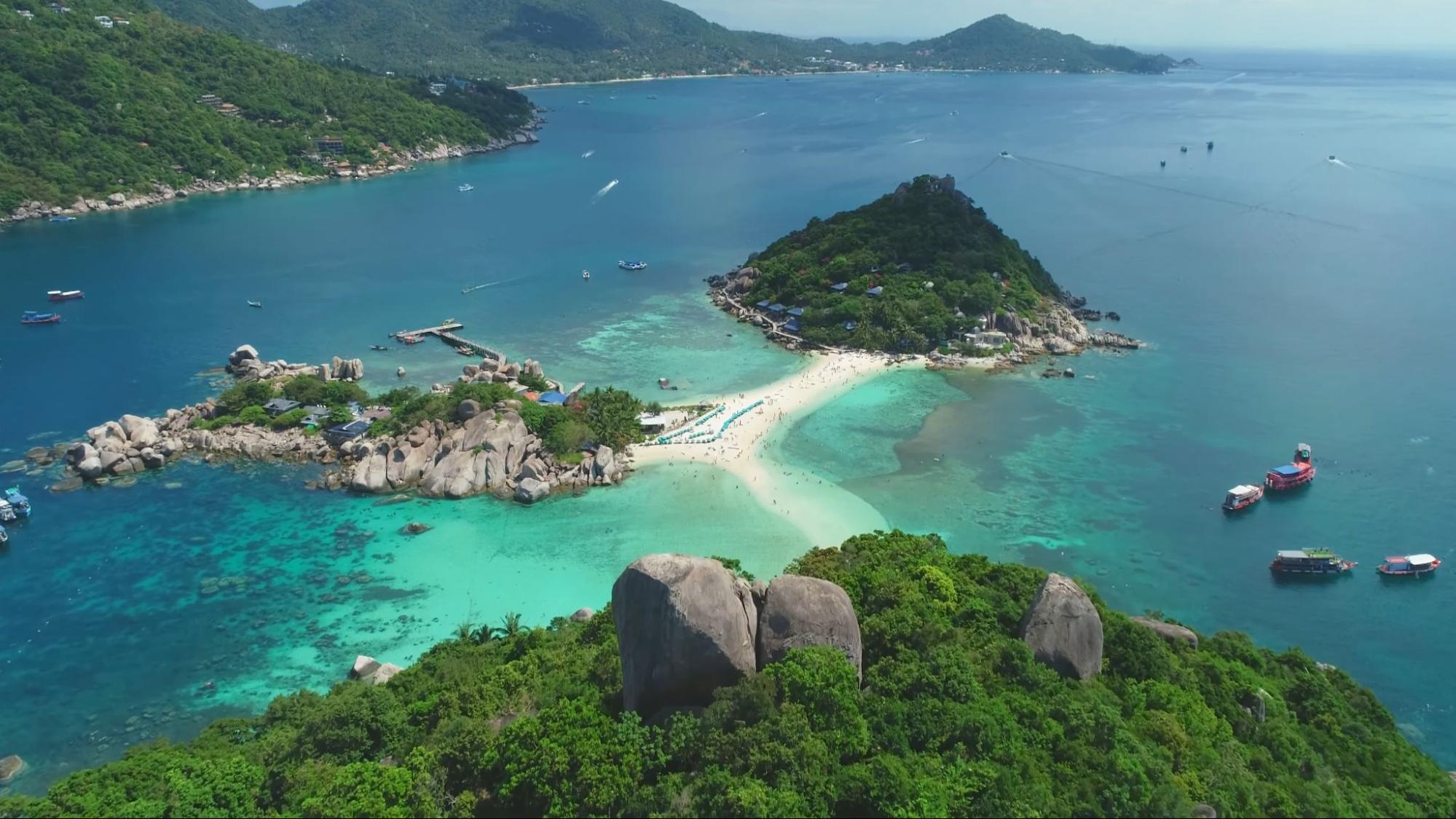
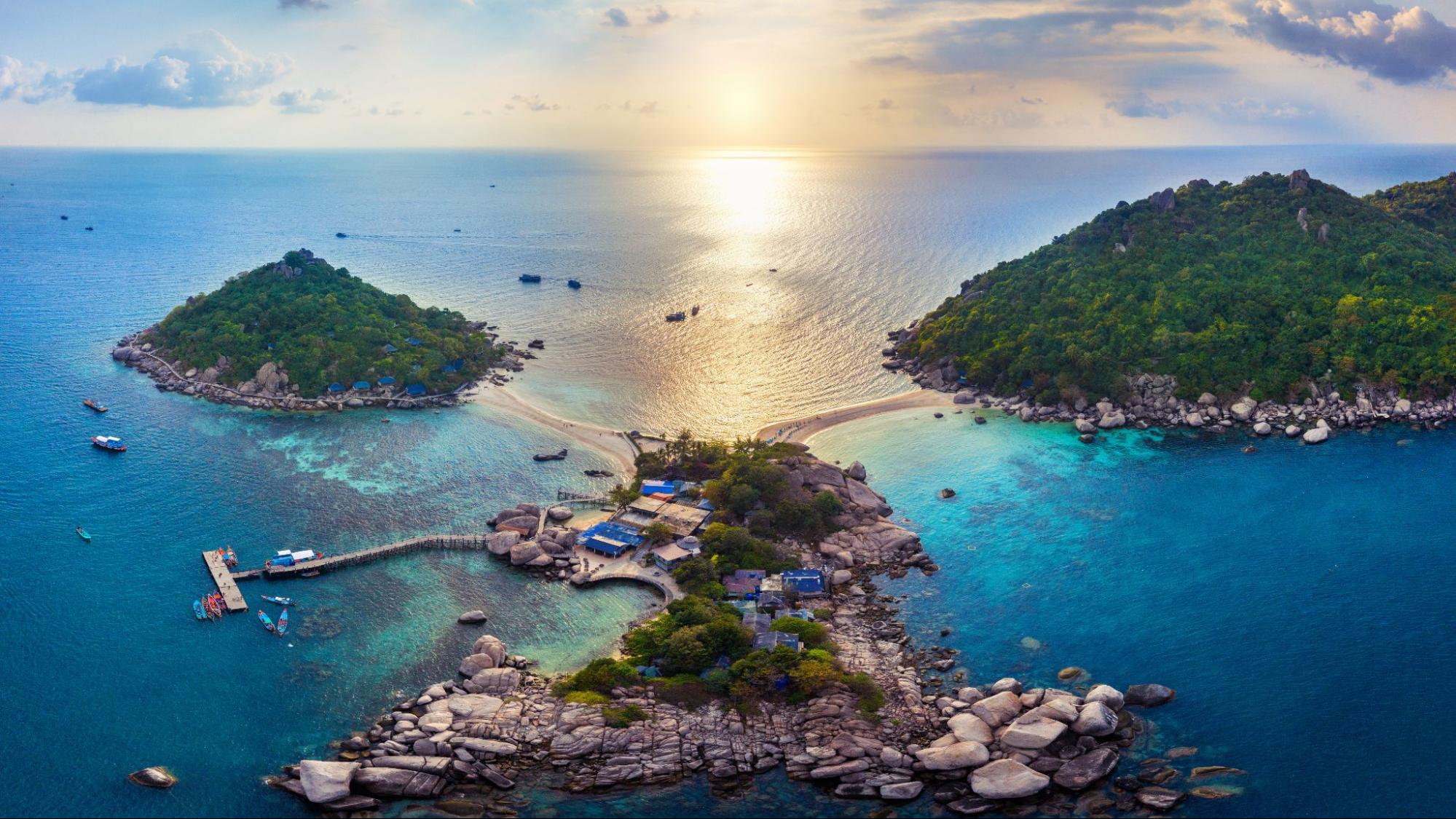
Koh Nang Yuan lies just off the coast of Koh Tao and consists of three small islets connected by a narrow sandbar. Shallow, clear waters surround the beaches, creating ideal conditions for snorkelling directly from shore.
A short climb to the island’s viewpoint reveals one of the most photographed panoramas in Southern Thailand. Controlled visitor access and limited development help preserve reef systems and maintain a calm daytime atmosphere.
Most travellers visit Koh Nang Yuan by long-tail boat as a half-day excursion rather than staying overnight, making it a high-impact addition to a Koh Tao itinerary.
Koh Lipe
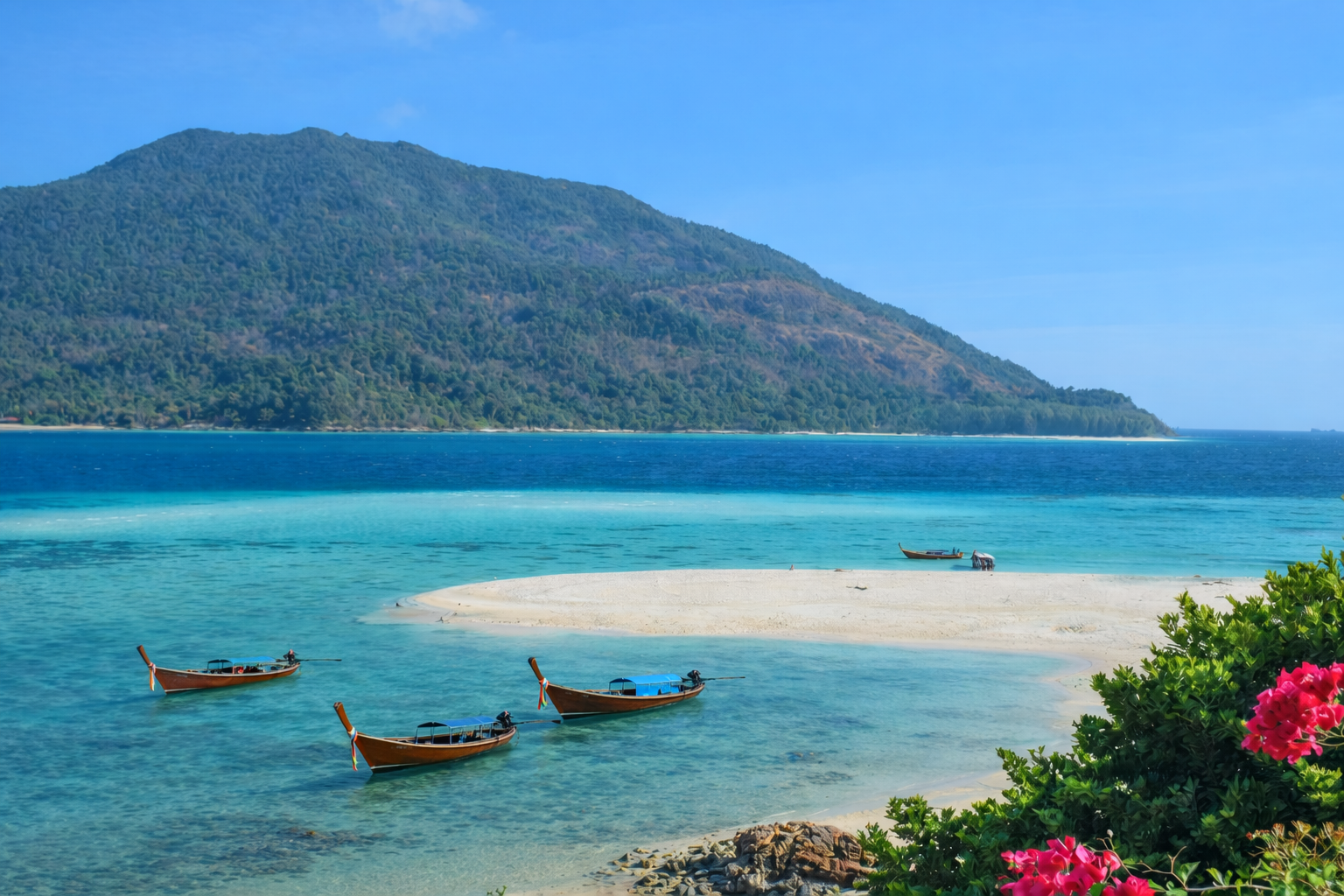
Koh Lipe delivers a contrasting scale and mood. Small enough to cross on foot, the island sits within Tarutao National Marine Park near the Malaysian border, protecting surrounding reefs and limiting overdevelopment.
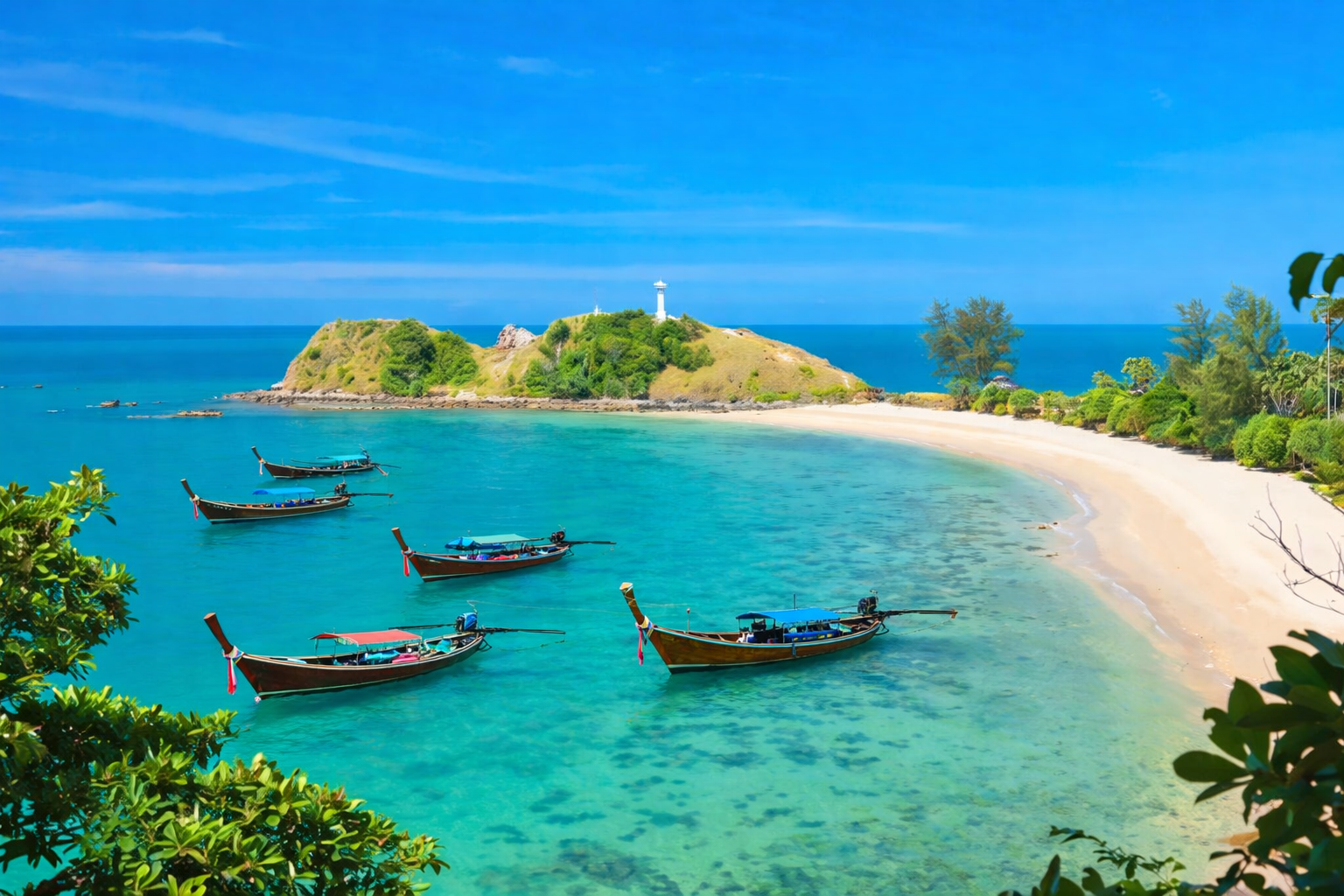
Beaches such as Sunrise Beach and Sunset Beach frame the island from different angles, offering varied light and swimming conditions throughout the day. Long-tail boats replace roads, reinforcing a slower pace built around walking and swimming.
Travel requires more planning, often involving ferries from Pak Bara or seasonal routes from Langkawi, but the reward lies in isolation, clarity, and an unhurried atmosphere.
Choosing the Right Island
Each island addresses a specific travel preference rather than offering a generic experience. Phuket suits travellers who value choice and infrastructure. Koh Samui prioritises comfort and wellness. Koh Phi Phi delivers dramatic scenery and social energy. Koh Lanta provides space and tranquillity. Koh Tao centres on diving and marine learning. Koh Lipe offers seclusion within a protected environment.
Seasonality shapes the experience. Andaman Sea islands typically perform best between November and April, while Gulf islands maintain accessibility when western crossings become less reliable.
A simple question often clarifies the decision. Do you want movement or stillness, social energy or privacy, convenience or isolation. Southern Thailand answers each of those preferences with an island designed around that exact need.